


Hey there! As a supplier of welded stainless steel pipes, I've seen firsthand how important proper maintenance is. In this blog, I'm gonna break down what maintenance of welded stainless steel pipes is all about.
Why Maintenance Matters
First off, let's talk about why maintenance is a big deal. Welded stainless steel pipes are used in a ton of different industries, from construction to food processing. They're known for their durability and resistance to corrosion, but that doesn't mean they're invincible. Over time, factors like exposure to harsh chemicals, extreme temperatures, and physical damage can take a toll on these pipes.
Regular maintenance helps extend the lifespan of the pipes. It can prevent issues like leaks, which can be a real headache, especially in industrial settings. A small leak can turn into a big problem if not addressed quickly, leading to costly repairs and even production downtime.
Types of Maintenance
Preventive Maintenance
Preventive maintenance is all about staying ahead of the game. It involves regular inspections and cleaning to catch potential problems before they become major issues. For example, checking for signs of corrosion, such as rust or discoloration, on a regular basis. You can use a simple visual inspection or more advanced techniques like ultrasonic testing to detect internal flaws.
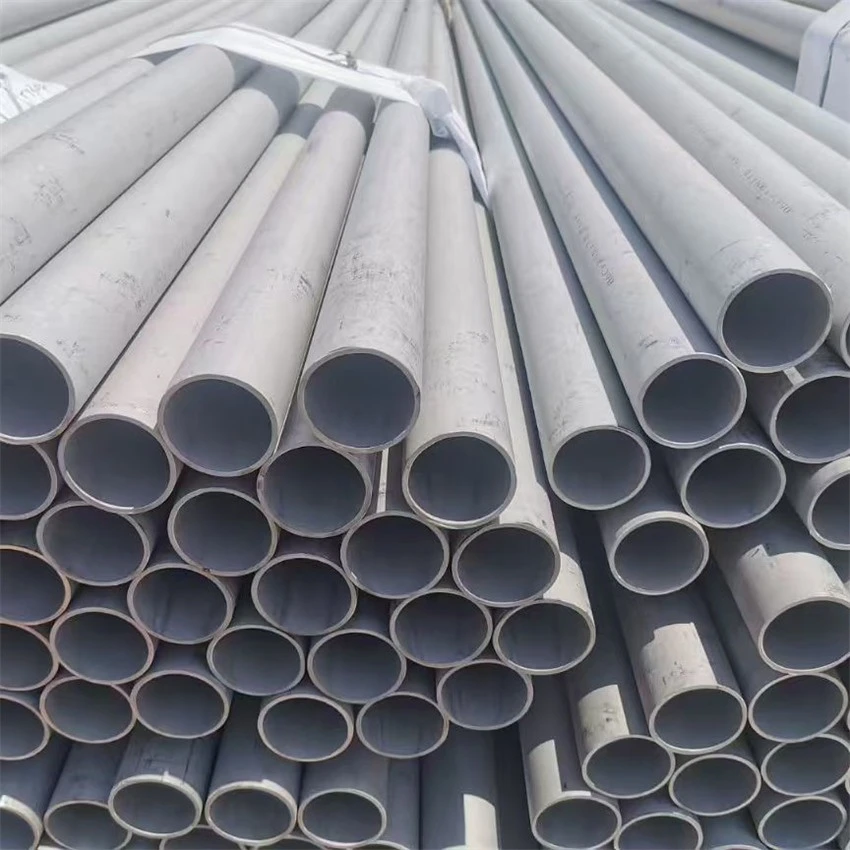

Cleaning is also a crucial part of preventive maintenance. Stainless steel pipes can accumulate dirt, debris, and contaminants over time. These can not only affect the appearance of the pipes but also contribute to corrosion. Using a mild detergent and a soft cloth to clean the pipes regularly can help keep them in good condition.
Corrective Maintenance
When problems do arise, corrective maintenance comes into play. This involves fixing any issues that have already occurred. For instance, if a pipe has a leak, it needs to be repaired as soon as possible. This might involve welding the damaged area or replacing a section of the pipe.
Corrective maintenance also includes dealing with more serious problems like structural damage. In some cases, it might be necessary to replace the entire pipe to ensure the safety and functionality of the system.
Maintenance Procedures
Inspection
Inspection is the first step in any maintenance routine. You need to check the pipes for any visible signs of damage, such as cracks, dents, or corrosion. Pay special attention to the welded joints, as these are often the weakest points in the pipe.
You can use a variety of tools for inspection. A simple magnifying glass can help you spot small cracks or imperfections. For more in - depth inspections, non - destructive testing methods like X - ray or magnetic particle testing can be used.
Cleaning
Cleaning is essential to keep the pipes looking good and functioning properly. As I mentioned earlier, a mild detergent and a soft cloth are usually all you need for regular cleaning. For more stubborn stains or contaminants, you might need to use a specialized cleaner.
When cleaning, make sure to rinse the pipes thoroughly to remove all traces of the cleaner. This helps prevent any chemical residue from causing damage to the stainless steel.
Weld Maintenance
The welded joints in the stainless steel pipes require special attention. Over time, the welds can be affected by factors like stress, corrosion, and thermal cycling. Regularly inspecting the welds for signs of cracking or weakening is crucial.
If you notice any issues with the welds, it's important to have them repaired by a qualified welder. They can use techniques like re - welding or applying a protective coating to strengthen the welds.
Maintenance for Different Types of Stainless Steel Pipes
SS 316 Pipes
SS 316 Pipes are widely used in applications where corrosion resistance is a top priority, such as in the chemical and food industries. These pipes are more resistant to corrosion than some other types of stainless steel, but they still need proper maintenance.
When cleaning SS 316 pipes, avoid using abrasive cleaners, as these can scratch the surface and reduce the pipe's corrosion resistance. Instead, use a mild, non - abrasive cleaner and a soft cloth.
2507 Stainless Steel Pipe
2507 Stainless Steel Pipe is a duplex stainless steel that offers high strength and excellent corrosion resistance. It's often used in offshore and marine applications.
For 2507 pipes, regular inspections are even more important due to the harsh environments they're often exposed to. Make sure to check for signs of pitting corrosion, which can be a problem in chloride - rich environments.
304 Stainless Steel Pipe
304 Stainless Steel Pipe is one of the most commonly used types of stainless steel pipes. It's relatively affordable and has good corrosion resistance.
When maintaining 304 pipes, be aware that they can be more susceptible to corrosion in certain environments, such as those with high humidity or exposure to certain chemicals. Regular cleaning and inspection can help prevent corrosion issues.
Tips for Effective Maintenance
- Keep a maintenance schedule: Set up a regular schedule for inspections, cleaning, and other maintenance tasks. This helps ensure that nothing gets overlooked.
- Train your staff: If you're in an industrial setting, make sure your employees are trained on proper maintenance procedures. This can help prevent damage to the pipes and ensure that maintenance is done correctly.
- Use the right tools and materials: Using the correct tools and cleaning products is essential for effective maintenance. Make sure you're using products that are compatible with stainless steel.
Conclusion
In conclusion, the maintenance of welded stainless steel pipes is a crucial aspect of ensuring their long - term performance and reliability. By following the right maintenance procedures, you can extend the lifespan of the pipes, prevent costly repairs, and keep your systems running smoothly.
If you're in the market for high - quality welded stainless steel pipes or need more information on maintenance, don't hesitate to reach out. We're here to help you with all your stainless steel pipe needs.
References
- "Stainless Steel Handbook" by ASM International
- "Corrosion of Stainless Steels" by George S. Frankel


