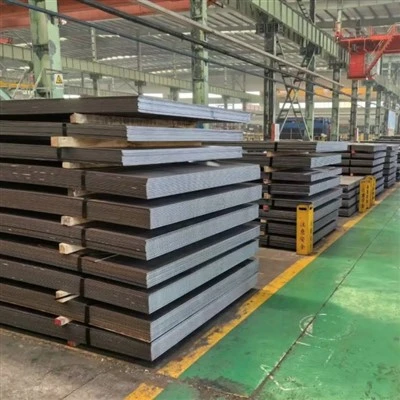
The core advantage of stainless steel lies in its unique alloy composition. By adding elements such as chromium (Cr), nickel (Ni), and molybdenum (Mo), it forms a dense oxide film (passivation film), resulting in excellent corrosion resistance. Based on its microstructure, stainless steel can be divided into the following categories:
Austenitic stainless steel (304 and 316 series): Containing 18%-20% chromium and 8%-10% nickel, it offers excellent corrosion resistance, toughness, and weldability, and is widely used in food equipment, chemical containers, and architectural decoration. For example, 304 stainless steel is used in kitchen utensils, while 316 stainless steel (with added molybdenum) is used in marine environments or medical devices.
Ferritic stainless steel (430 series): Containing 12%-18% chromium, its corrosion resistance is inferior to austenitic stainless steel, but it is less expensive. It is commonly used in household appliance casings, automotive exhaust pipes, and other applications.
Martensitic stainless steel (420 series): Containing 12%-14% chromium, it can be hardened through heat treatment and is suitable for knives, surgical instruments, and other applications.
Duplex stainless steel (2205, 2507 series): Combining the characteristics of austenite and ferrite, it has higher strength and stress corrosion resistance and is often used in petrochemical, marine engineering and other fields.